Hearing Aids Hub

Digital Hearing Aid herald a new generation of hearing aids

Loss of partial or complete hearing throws challenges in life not only when it comes to interaction with people but also carrying on with everyday activities. While most instances of hearing disability are linked to the advancement of age it is however not uncommon to have the same even at relatively younger ages. Over the period of time hearing aids have been tried and tested to enable the hearing disabled. Digital hearing aids heralded a new phase of enhanced and qualitative hearing aids.

Digital hearing aids have revolutionized the way the hearing impaired now are able to appreciate all sounds with minimal difficulty with enhanced sound transmission. Gone are the days of hearing aids based on analogue technology in which all sounds were uniformly amplified thereby not distinguishing the significant sound from the others. With the advent of advanced technology digital hearing aids come with computer chips embedded in the device that is worn around the ear or inserted depending on model and type of the device.

Digital computer chips are programmable and therefore enhance the listening experience.  The computer chip is capable of constantly adjusting making adjustments to the sounds and is enabled for various listening modes apart from automatic volume controls. Sound transmission is done through translation of sounds to digital codes, change them and re-transmit the same by mathematical calculations. All this results in producing a high quality sound that is as close as being natural.

Digital hearing aids when as compared to the conventional analogue hearing aids are a little expensive however they come with many benefits and a host of automatic features that makes life simpler. Several leading companies have incorporated the state of the art technologies and are continuing with the research to make better devices.

Touch, inspire and communicate uninterrupted with Hearing Aids

The incessant call of the birds each dawn, the never ending cooing of the cricket in the wild, the idle chatter and spontaneous laughter of the child, rustling of trees, the sound of footsteps of people we love… all these and more inspire our auditory nerves to go forth and live life to the fullest.

However our joy is short-lived when we face problems such as hearing impairment and hearing difficulties. Thankfully with the assistance of sophisticated hearing aids of our times we can hope to hear these sounds again and do so very effectively.

When faced with a mild or profound difficulty in hearing, an audiogram will indicate the severity and gravity of hearing loss, and dependent on the results of the audiogram a device suitable to the preference of the wearer can be selected.

These devices fit into the ear or behind the ear and are available in analog and digital types, programmable and non-programmable types in different sizes and models to enables the wearer to choose a device that fits his personality and the type of activity that the user undertakes on a daily basis, be it personal or professional.

Depending on the nature of the user the hearing aids can play a role in ensuring that the hearing problems are resolved. Hearing aids are battery based devices and can be used in style using the various accessories that come along with hearing aids, this means that hearing aids need not necessarily be boringly basic; users can choose form sporty varieties of hearing aids and match them with their sense of style and continue to hear all the sounds that nature has in store for them.

Ear Hearing Aids for a bewilderment free sound transfer

Pardon me? Sorry? Did you call out to me? Excuse me, could you speak louder please? I’m short of hearing! These are indeed embarrassing questions that plague any person with a hearing impairment. Hearing impairment can be a real bother especially so if you are a person who loves connecting with people and believe in the positive aspects of communication.

Life is full of the wonderful sounds of nature and science but when it comes to a hearing problem we are definitely kept away form nature’s most wondrous creations. Thankfully technology has gifted mankind with Ear Hearing Aids that are more than just a device that enhances sound.

Ear Hearing Aids are widely used by people with disabilities or impairment of hearing. Different kinds of Ear Hearing Aids are available in the market depending on the nature of the impairment

The different types of Ear Hearing Aids can be classified as follows:

  • Body worn aids
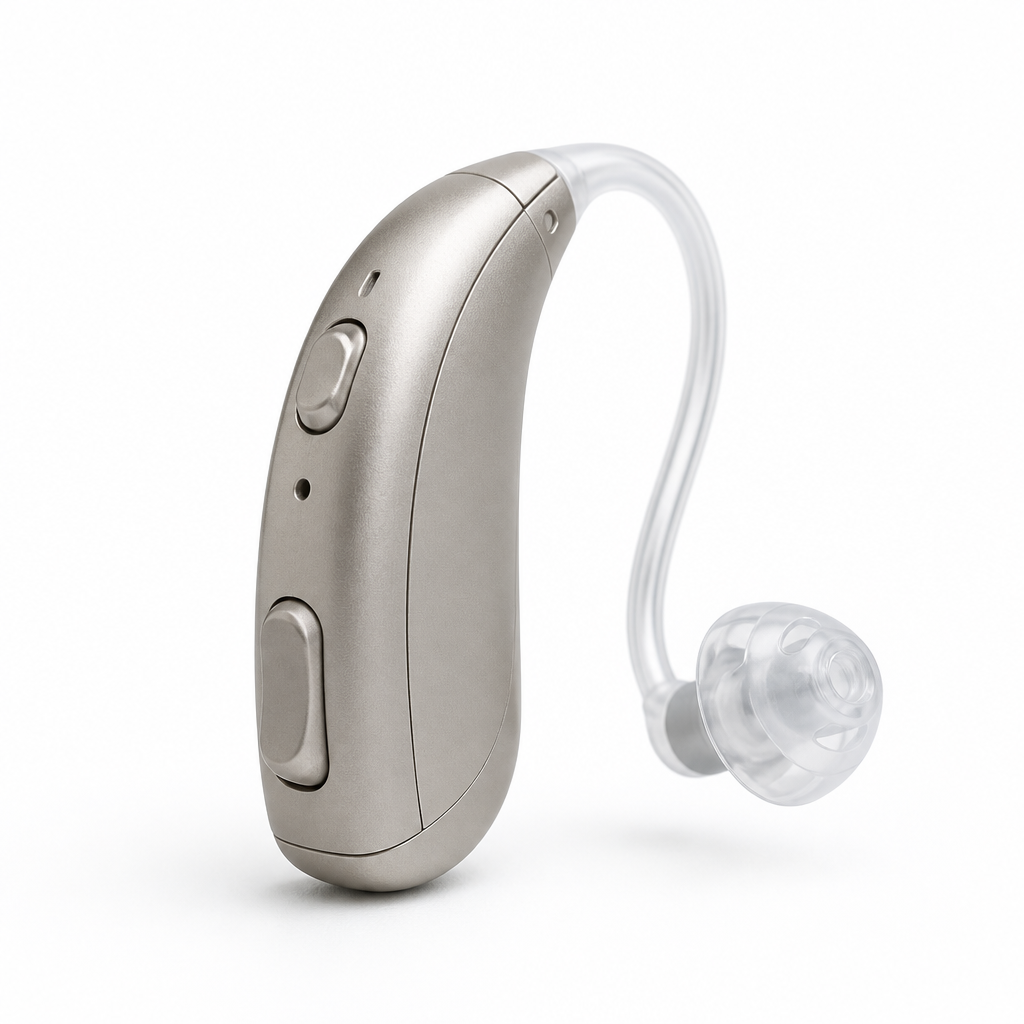
  • Behind the ear aids (BTE)
  • In the ear aids (ITE)
  • In the canal aids (ITC)
  • Completely in the canal aids (CIC)
  • Over the ear-open fit aids (OTE)

Each of these hearing aids has their set of advantages for people who choose them for the purpose they best serve. It is advised to meet a hearing aid expert and analyse your hearing problem with the help of tests or audiograms that will determine the nature and cause of concern of your hearing impairment issue, the expert will suggest a suitable ear hearing aid for you depending on the parameters you have met on the tests conducted.

So get rid of that hearing problem with effective Ear Hearing Aids.

No more analog voices here is your Digital Hearing Aid

Our age is an age of revolutions, whether it is in thoughts, spirit of enquiry or technology we lead the way as a race that has evolved beyond belief, we have been able to make things lightning fast and have done so admirably. One of the main results of technology shaping up is the introduction of digital technology in an analog world.

Digital cameras, digital videos and digital voice devices have garnered following like never before; that said the digital hearing aid is not far behind. The most important factor of hearing is clarity and a digital hearing aid promises exactly that.

Hearing aids are used, like we know, to enhance the hearing capabilities of a person with an identified impairment and the devices are available in analog and digital types, also programmable and non-programmable categories.

The main area in which an analog device loses big time to a digital hearing aid is that the analog devices are non programmable and are custom built and adjusted by the audiologist and the only adjustment possible is the volume control, whereas the possibilities with the digital hearing aid are immense.

A digital hearing aid is rich in features and allows programmable adjustments to suit the user’s need. The ability of a digital hearing aid to automatically adjust to the environment of the wearer and filter out undesired noises and static is what makes it a unique innovation.

These programmable aids are set and adjusted by the audiologist after the user undergoes the requisite tests for hearing impairment. Even continued adjustments can be made during the follow up visits, depending on the preferences of the wearer.